
A Disobedient Art School Launch
Ventilator Cinema, OT301, Amsterdam
Free admission
The launch of Compost for Wild Weeds unfolded exactly as we had hoped — and perhaps more importantly, not neatly or comfortably, but with attention, friction, and care.
The room at Ventilator Cinema was full. Full of people willing to listen closely, to disagree thoughtfully, and to ask questions that refused easy answers. For that, we are deeply grateful.
We want to thank our panelists, whose interventions opened complex and necessary lines of inquiry; our moderator, whose proactive and careful facilitation held space for both tension and connection; and the many contributors in the public, who stepped into the conversation with generosity, sharpness, and lived experience. The exchange did not remain on stage — it circulated, expanded, and was shaped collectively.
What became clear during the afternoon is that the questions raised about learning, power, care, conflict, infrastructure, and disobedience, confirmed that there is much work ahead. And that this work cannot be done alone.
This launch was a first rehearsal of what the Disobedient Art School (.d.a.s.) might become when shaped together, through dialogue, disagreement, and collective imagination.
If you couldn’t join us, or if you want to stay involved as this project continues to grow, we warmly invite you to subscribe to our newsletter. This is where we’ll share future gatherings, workshops, publications, and ways to contribute to the .d.a.s. adventure.
Soon, Compost for Wild Weeds will also be available through our online shop.
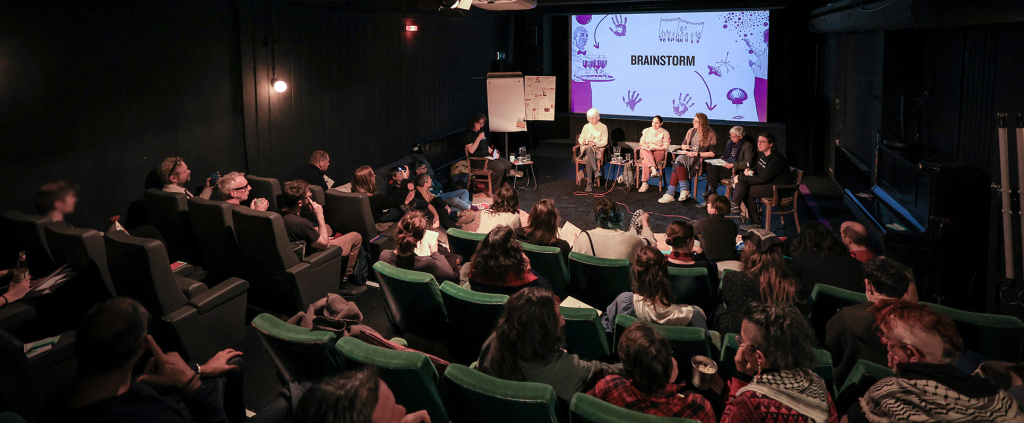
The Panel
Andrea Reyes Elizondo (she/her) is a researcher and activist who hopes for social and climate justice. Her current work is on the humanities, informed by experimentation and creative practices. She has the bad habit of pointing out the power dynamics in every setting, underlining the context in which peoples are left behind.
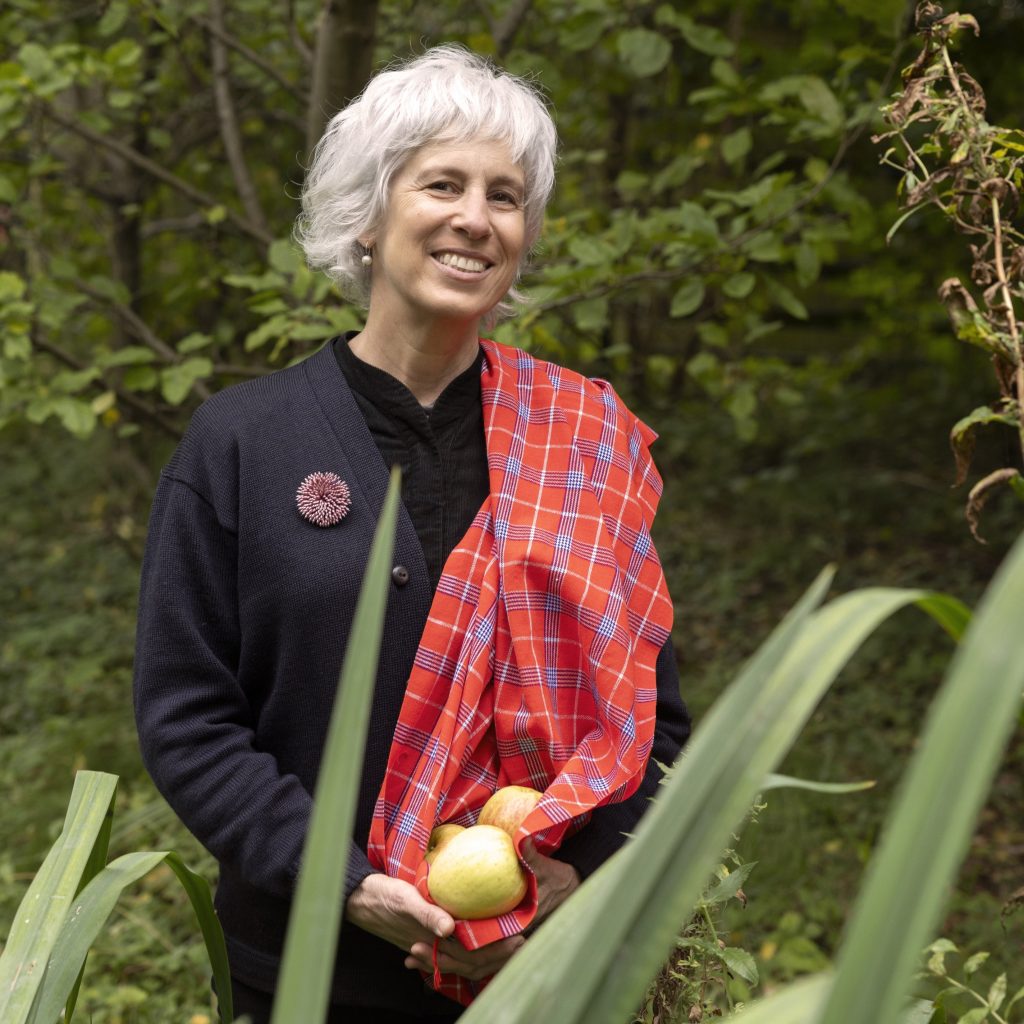
Debra Solomon (she/her) is an artist, infrastructure activist, and PhD candidate in Urban Planning at the University of Amsterdam. Founder of Urbaniahoeve, she coined multispecies urbanism – presented in the Dutch Pavilion at the 2021 Venice Architecture Biennial. Her work integrates art, ecology, and planning to advance biodiversity and interspecies justice.
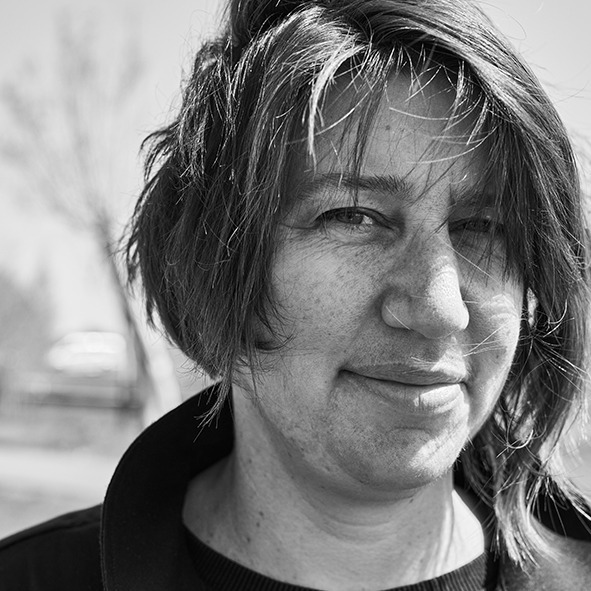
Mirjam van Tilburg (she/her) is a researcher and lecturer in the Master of Arts Education program at Fontys Academy of the Arts in Tilburg. Trained as a visual artist and teacher, she lives in Rotterdam. She teaches, observes, questions, writes, and conducts research in the field of arts education.

Sruti Bala (she/her) is Associate Professor of Theatre and Performance Studies at the University of Amsterdam. Her research interests revolve around the manifold political dimensions of theatre and performance, with publications on participatory art, feminist and postcolonial theory and performance and social justice.
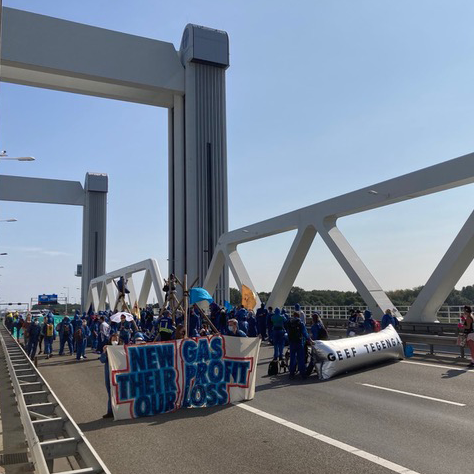
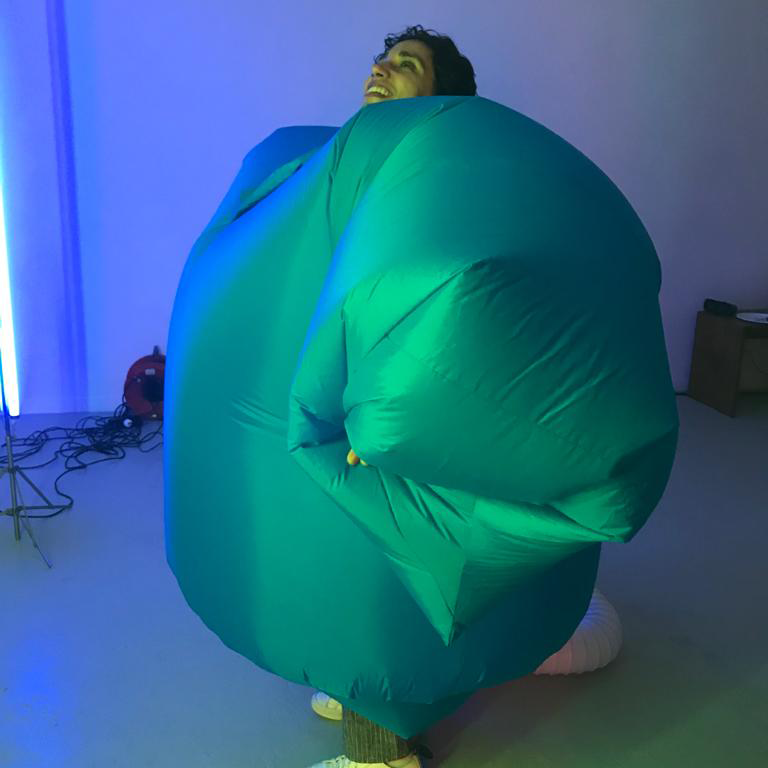
ze (they/any) is a community artist, activist and astronomer. The focus of ze’s artistic practice is empowering activists and communities by teaching the skills needed to produce large scale protest art. They lecture, inside and outside of the university, on climate, queer and disability justice and the growth and dismantling of institutions.
Image: An inflatable haori by artist & friend Ludmila Rodrigues
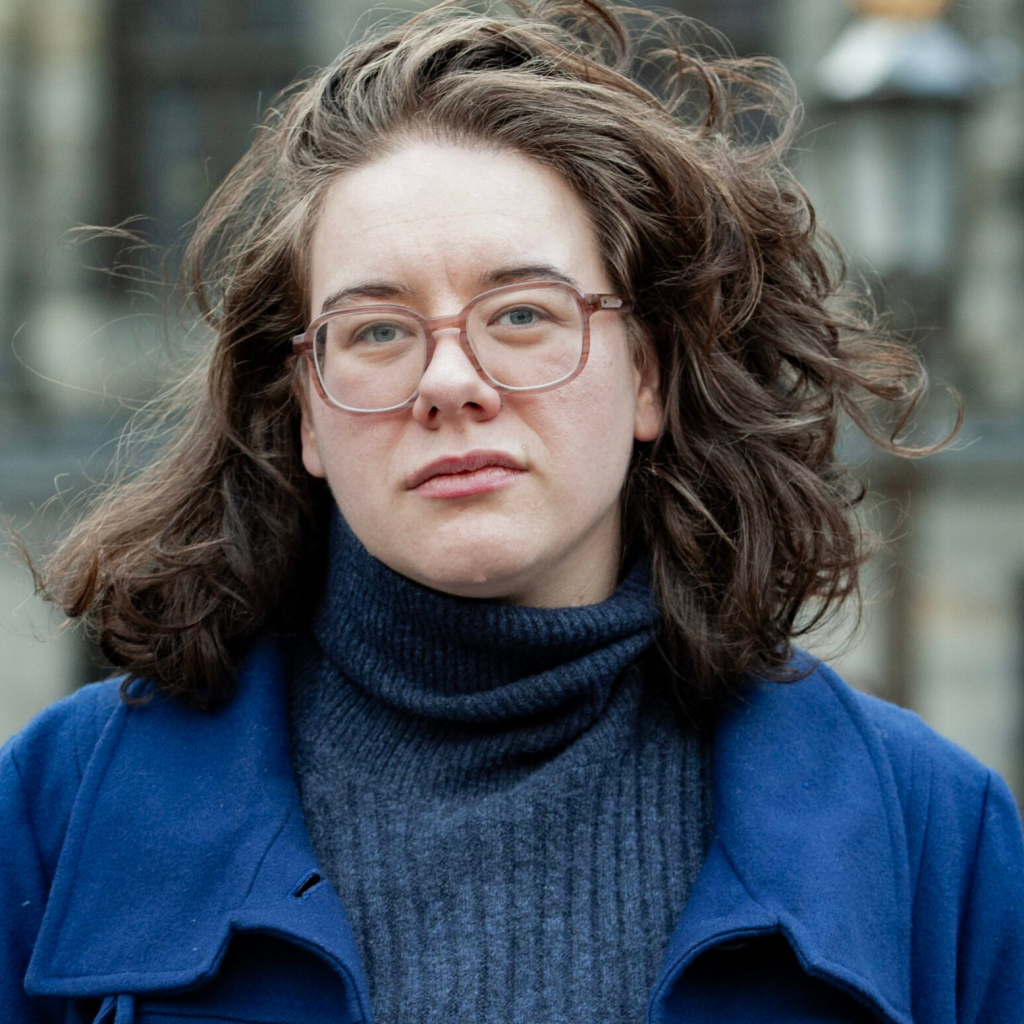
Moderation:
Harriët Bergman (she/they) is a philosopher, trainer and writer based in Amsterdam. She is academic Lead at climate obstruction NL, gives workshops at Stroomversnellers, and is writing a book, Staatsgevaarlijk, for ISVW publishing house. She obtained her PhD, Privilege on a burning planet, at Antwerp University.
The Publication
Compost for Wild Weeds: A Prologue to Disobedient Art School introduces Disobedient Art School as a living, experimental “school” grown from Fossil Free Culture NL’s disobedient art practice against fossil sponsorship in Dutch cultural institutions, proposing art not as neutral representation but as political infrastructure for social change.
Written from within overlapping crises of climate collapse, coloniality, neoliberalism and social fragmentation, it frames the school as a space to learn, relate and organise otherwise, grounded in values such as anti-colonialism, anti-racism, queer feminism, anti-neoliberalism, anti-extraction, intergenerational justice, and access-driven diversity.
The publication traces how FFCNL’s unsolicited performances and workshops have used aesthetics, storytelling and collective action to shift public imagination and institutional power, and argues for “making art politically” – centring process, participation, disobedience, and radical imagination over product. It outlines a set of core principles organised into Epistemic Foundations (praxis, art as aesthetics/ethics, situated imagination), Relational Grounds (community care, ecocentrism, intangible commons, solidarity, staying with the trouble), and Organisational Methods (critical facilitation, temporal dissonance, situated commoning) as coordinates rather than fixed rules for how to learn, decide and act together. Throughout, the text emphasises pedagogy as embodied, relational, and rooted in multiple, often marginalised forms of knowing, seeking to cultivate creative resistance and intersectional solidarity across struggles.
Presented as an unfinished, collectively evolving fold-out document and launch event, it positions Disobedient Art School as one node in a wider ecology of art and resistance, offering its concepts and methods as “compost”: messy, fertile matter to be adapted, contested and remixed so that “wild weeds” of imagination and disobedience can keep breaking through the cracks of the present.
If you would like to actively participate in the discussion during the event, please download this PDF. It contains the pre-layout of the publication’s final chapter, including the principles we hope to explore together during the session.
We hope to see you there!


