
Introduction
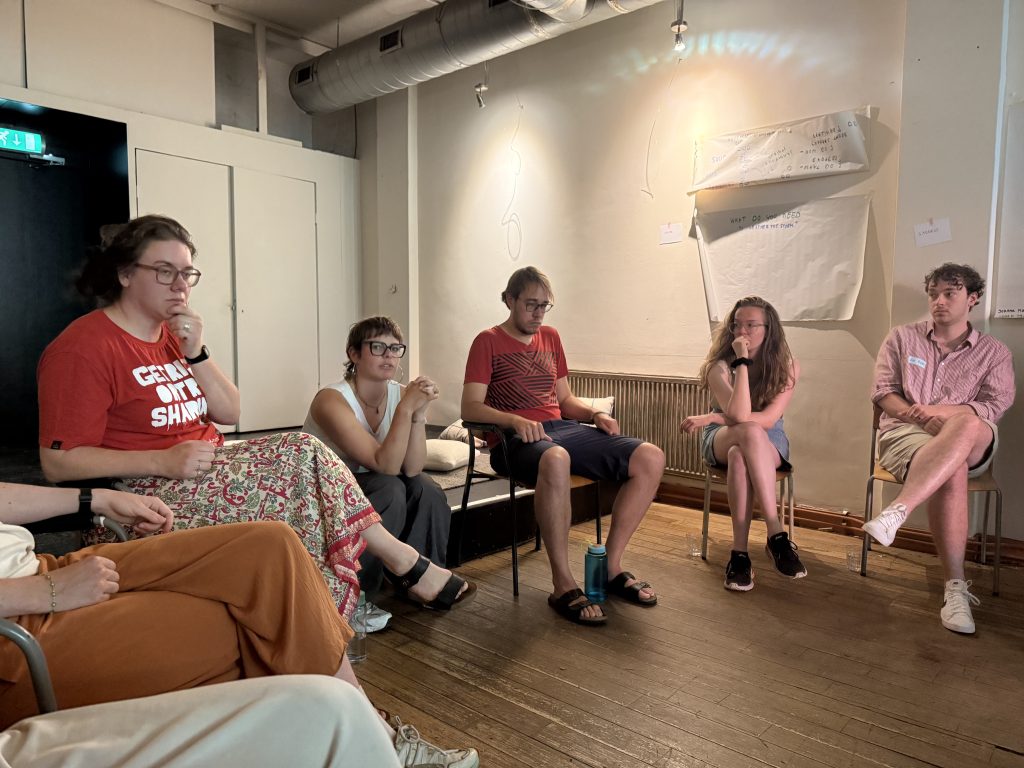
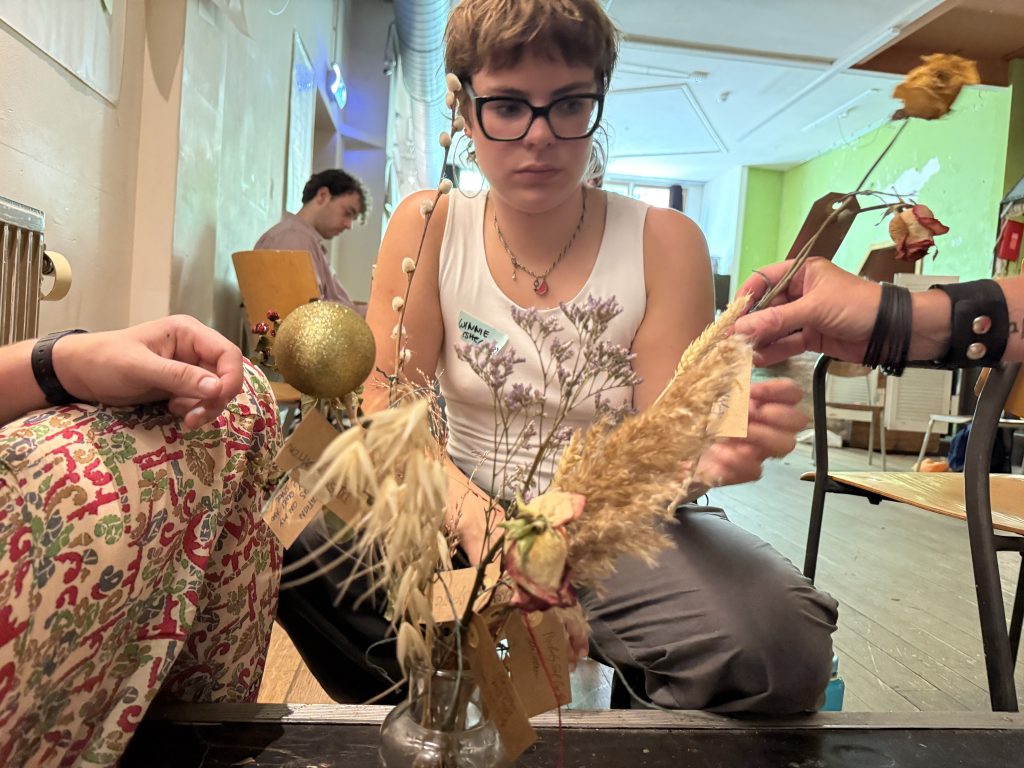
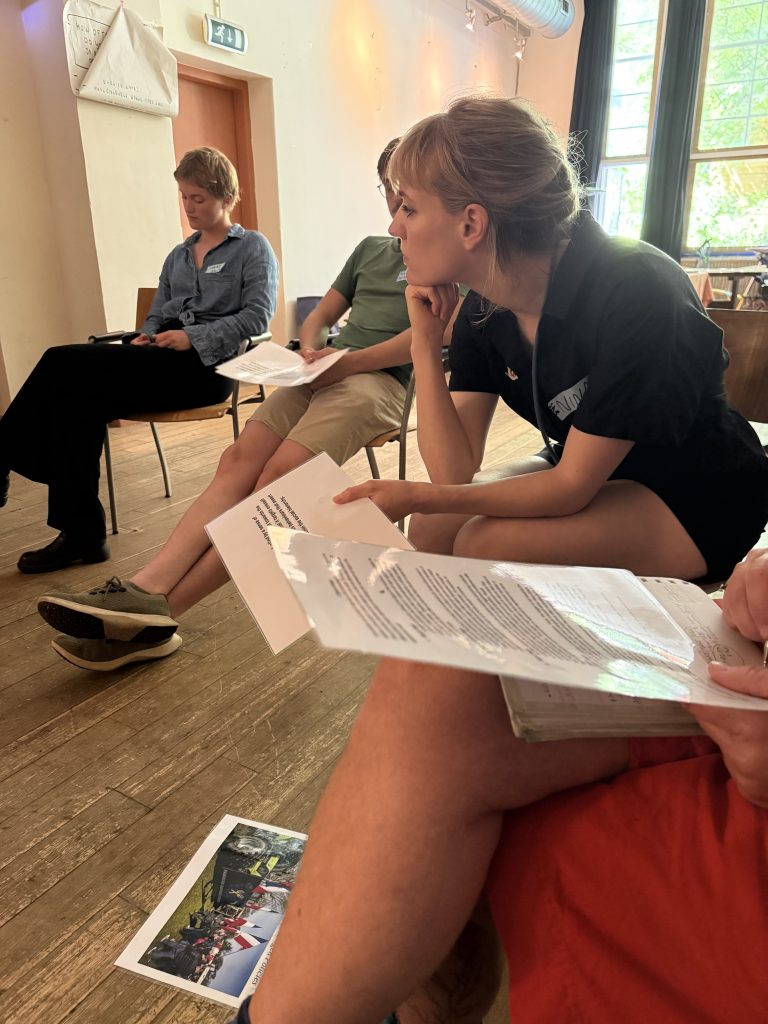
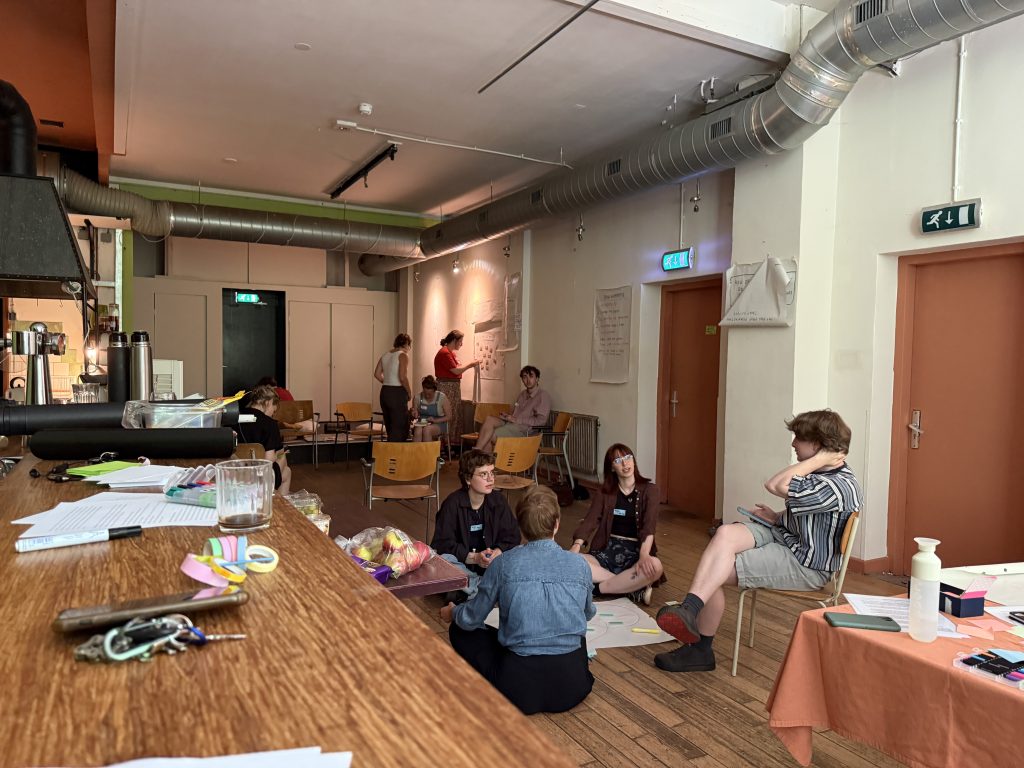
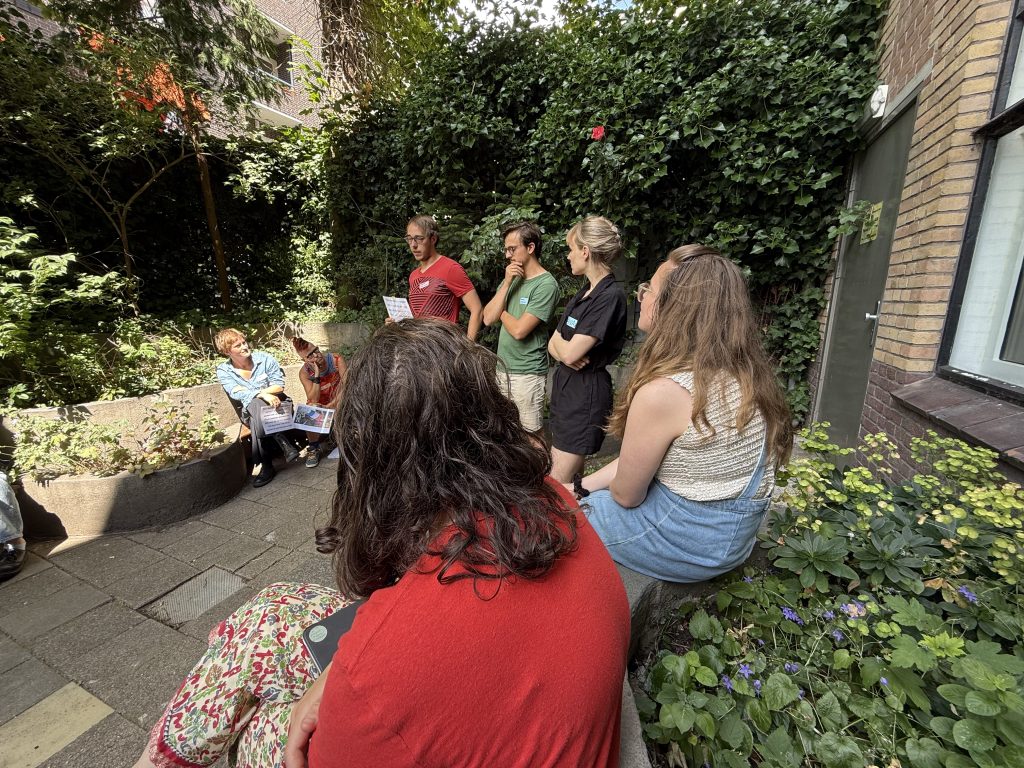
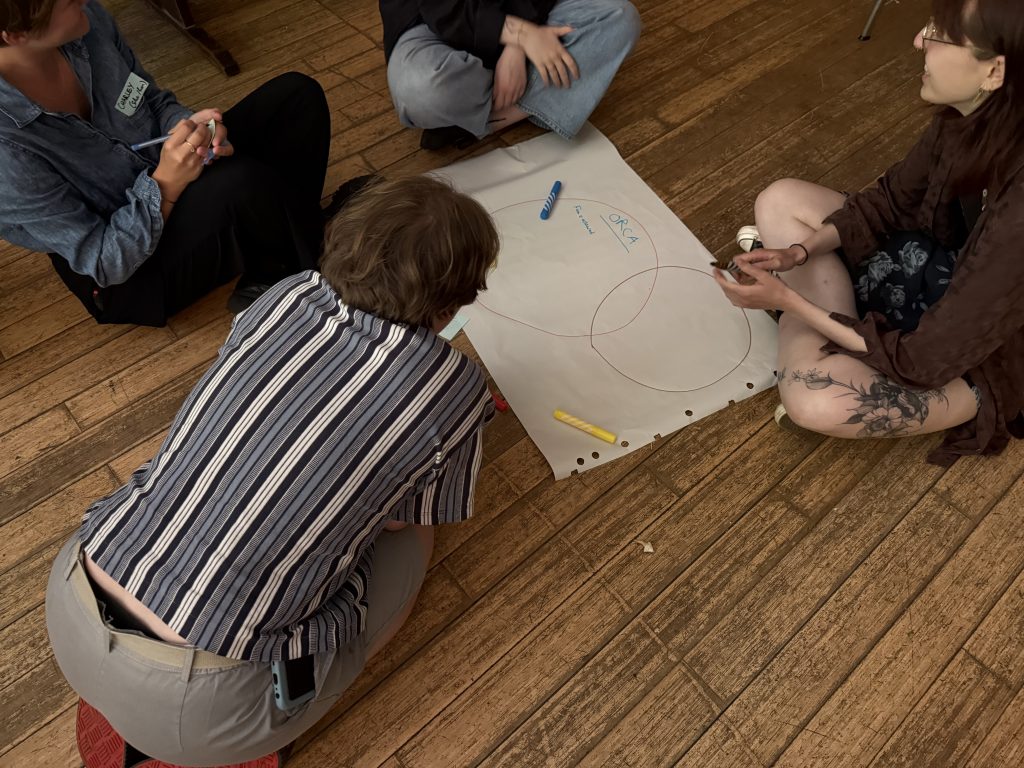
On 29 June 2025, we joined (as participants and observers) the pilot workshop How does it feel to live in times of climate breakdown? held at OT301 Café in Amsterdam. Hosted by Winnie & Harriët in collaboration with Stroomversnellers, the University of Antwerp, and Disobedient Art School, this four-hour session invited deep exploration of the emotional terrain of climate crisis and justice.
Date & Time: Sunday, 29 June 2025, 12:30 – 17:00
Location: OT301 Café, Amsterdam (OT301)
Organisers / Facilitators: Winnie & Harriët (in collaboration with Stroomversnellers, University of Antwerp, Disobedient Art School)
Our Role: Participating and offering feedback
Workshop Goals & Design
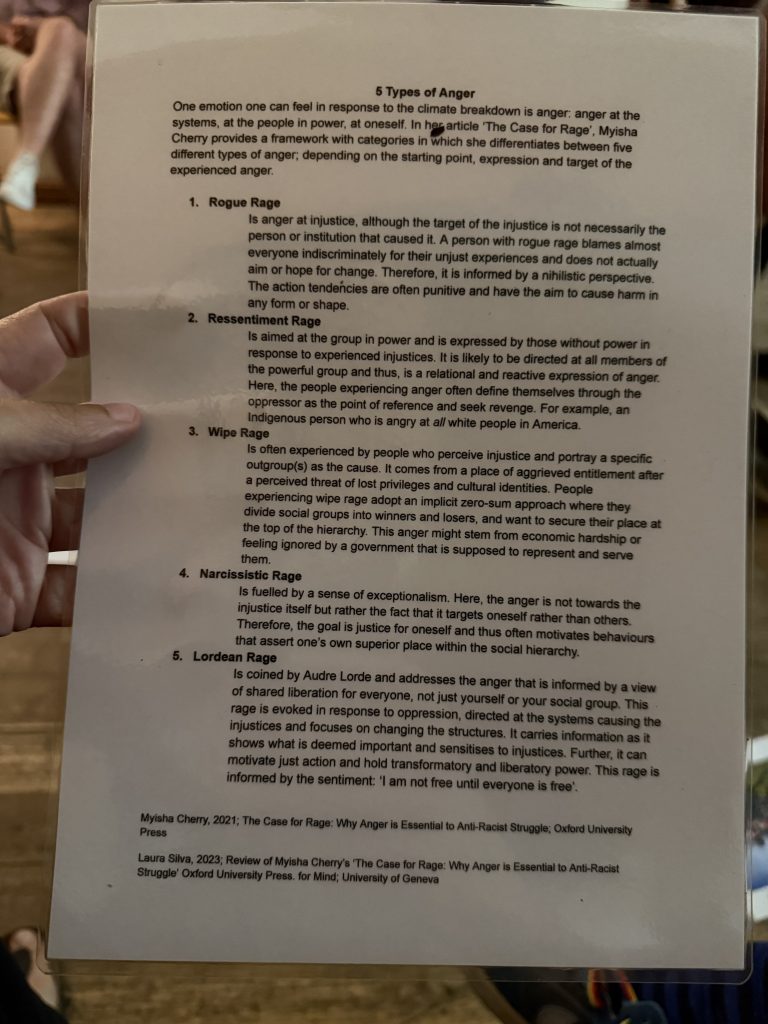
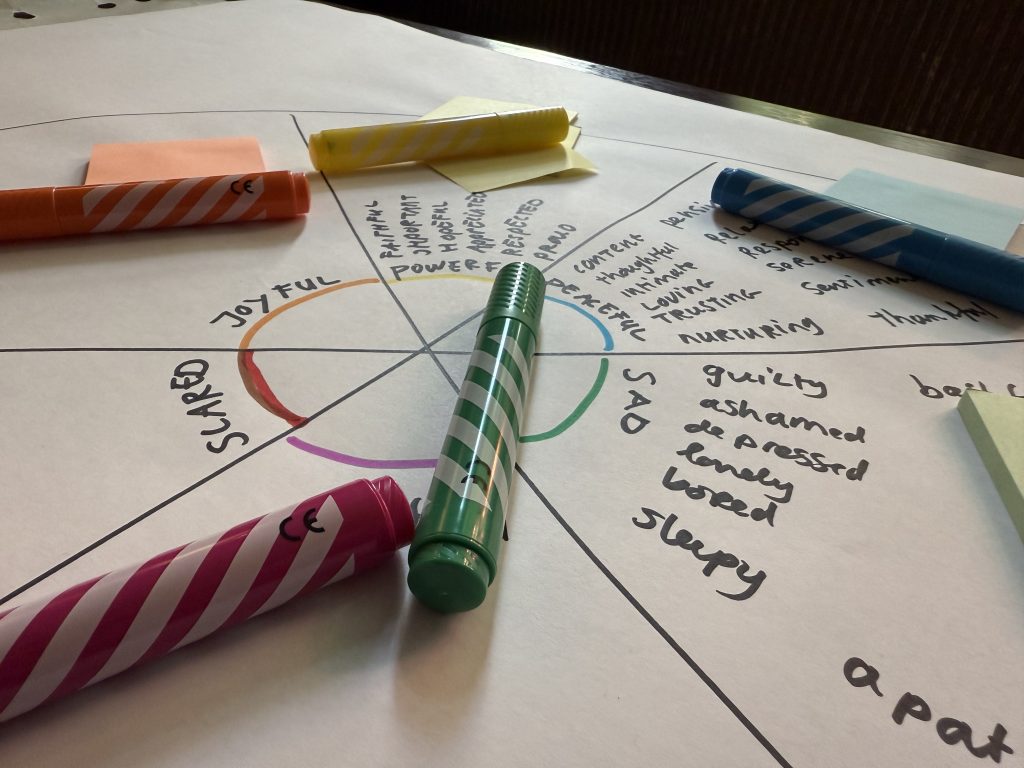
- To open space for naming and reflecting on emotions such as shame, anger, sadness, and hope in the face of climate breakdown
- To examine how emotional scripts and habitus shape our habit of feeling, reacting, or withdrawing
- To connect emotional dynamics to structural and societal dimensions: complicity, denial, privilege, solidarity, activism, systemic change
- To experiment with how emotional experience might be channeled in constructive, sustainable ways
The pilot workshop was framed as a communal process: it began with a potluck lunch, and welcomed participants across levels of experience.
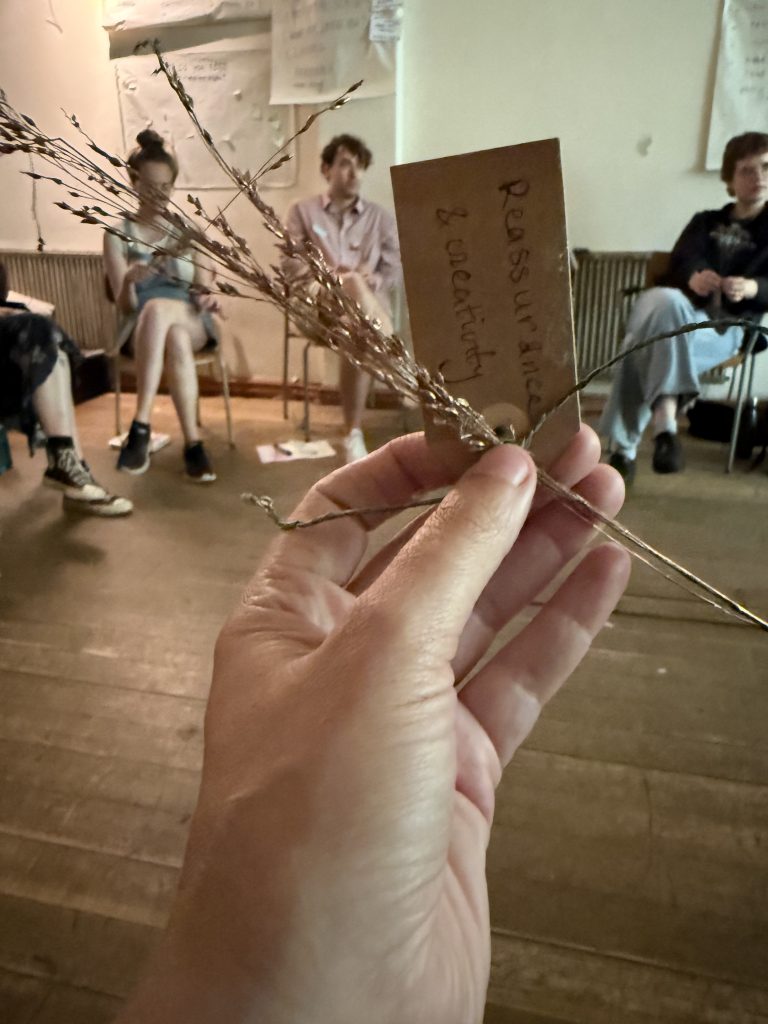
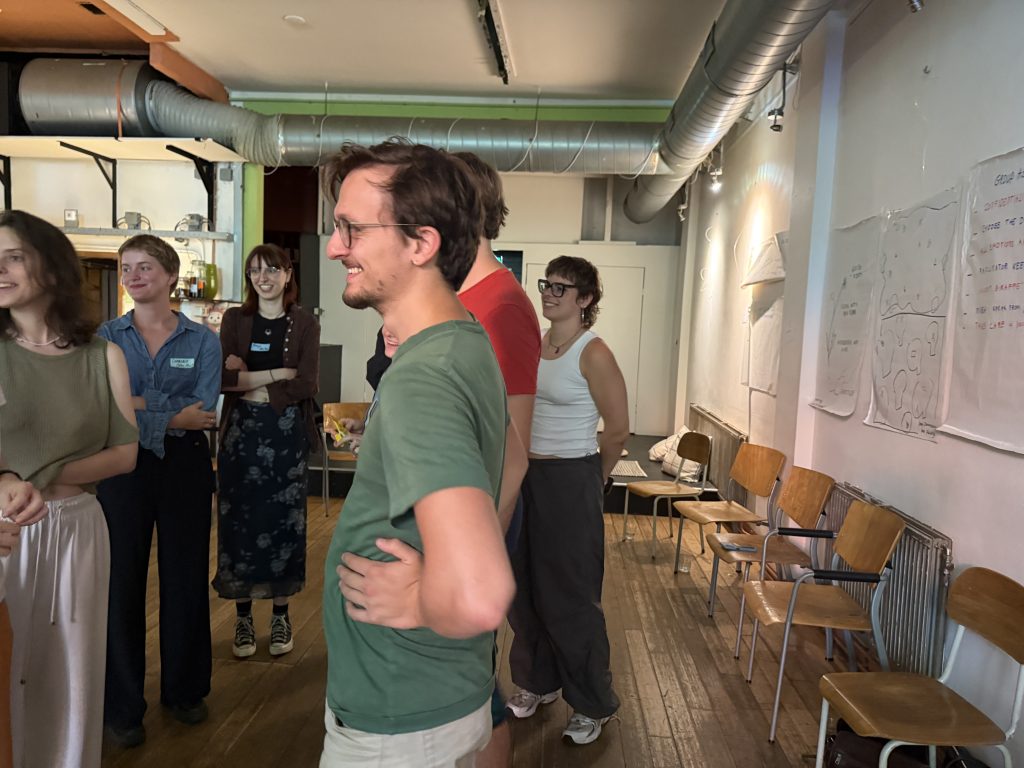
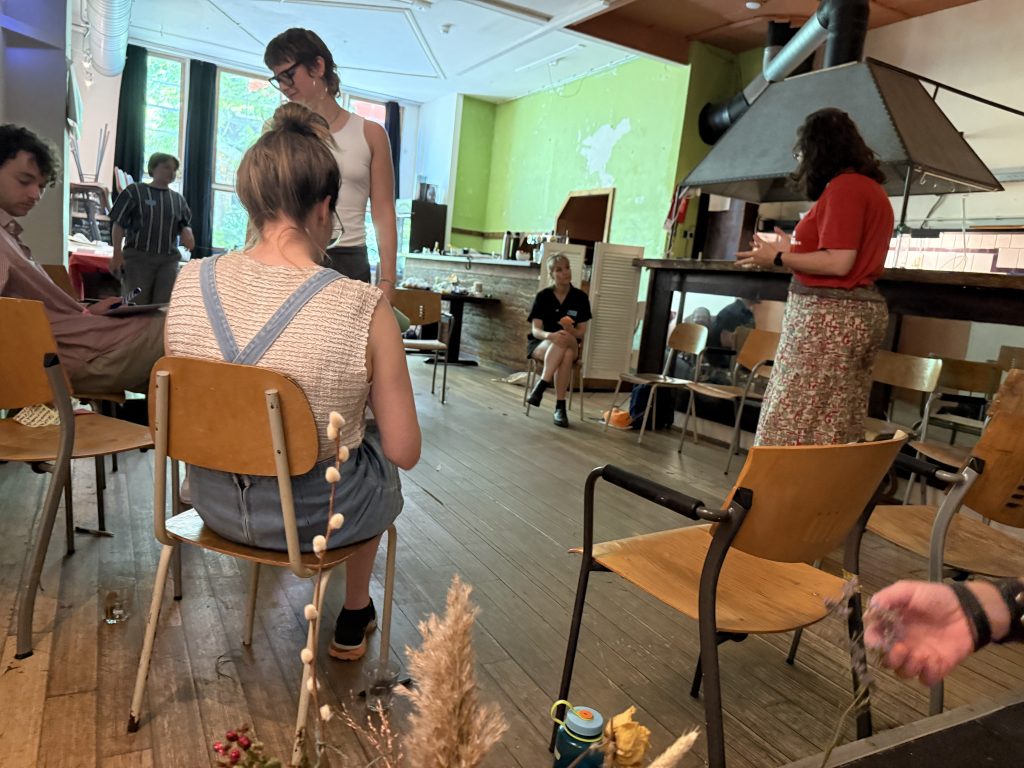
Our Experience & Takeaways
As participants, our engagement was both affective and analytical. We appreciated:
- The safe and generative container for difficult emotional expression;
- The bridging of interior reflection with outward structural inquiry;
- The conceptual framing (emotional scripts, habitus) that helped connect personal feeling with historical and cultural logic.
At the same time, we note that:
- Emotional depth must be held with care. Facilitators must balance intensity and groundedness;
- Concrete practices to transition from emotion to action strengthen impact;
- Explicit structural framing ensures that emotional work does not drift into individual burden.
Reflections & Next Steps
- We encourage the facilitators to continue refining this workshop in cycle (pilot > iteration > scaling) and document participant trajectories.
- We would welcome collaboration in future iterations: co-facilitation, feedback loops, integrating our art-activist lens.
- If participants are reading this: we invite you to share your reflections, feelings, and suggestions with us via contact@fossilfreeculture.nl We may compile them into a collective reflection document.
More broadly, emotional justice is a critical axis of climate justice: building collective emotional resilience, acknowledging grief, naming anger, sustaining hope. These are not side effects but necessary infrastructure for movement longevity.