Sometimes, life offers unexpected gifts. Being invited to the Tools for Grassroots Activists Conference, organised by Patagonia, was one of those moments.
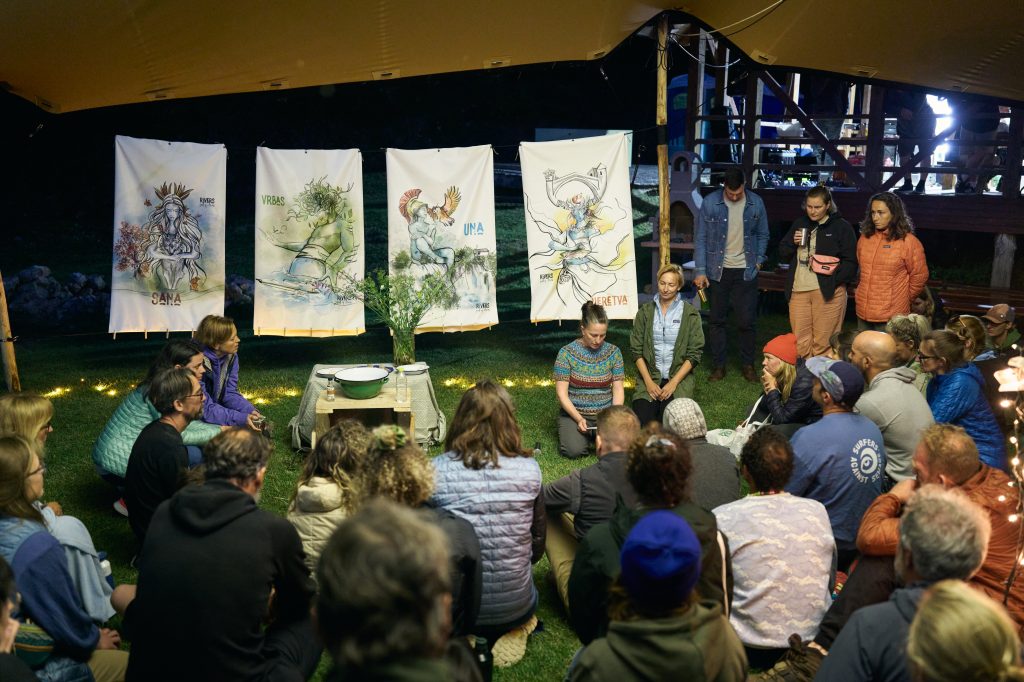
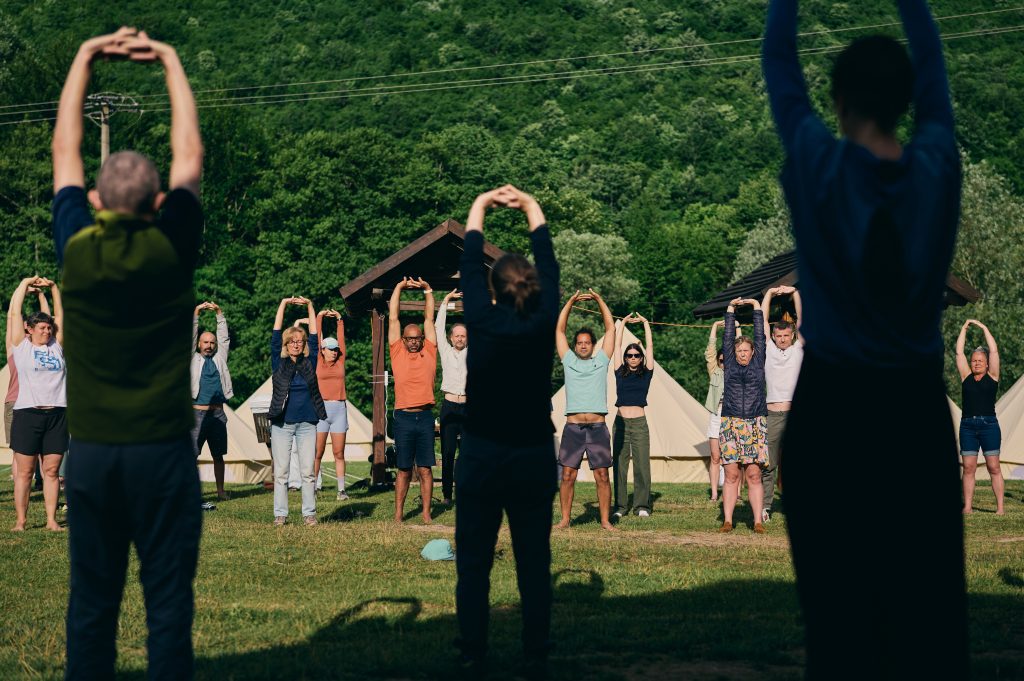
Hosted this year in the small Bosnian village of Martin Brod, beside the River Una, the conference gathered environmental and social justice activists from across Europe for four days of shared learning, strategy exchange, and mutual care. The surrounding landscape, dense forest, crystalline waters, and the sound of the Una cascading through the valley, shaped the rhythm of the gathering itself: alive, porous, insistently relational.
A Living Tradition of Grassroots Connection
The Tools for Grassroots Activists Conference has been running since 1994, when Patagonia first began hosting it in the United States. Its purpose has always been simple and radical: to equip grassroots organisers with practical skills for building lasting movements: fundraising, media strategy, coalition work, storytelling, and campaign design.
Over time, it has evolved into a global network of activist exchange. The European edition continues that tradition, foregrounding local struggles, cross-border solidarity, and the craft of collaboration.
As Patagonia writes, the Tools gatherings aim to strengthen “the people working on the front lines of environmental protection,” providing space to learn from both victories and failures, from campaigns that succeeded slowly, and from those still ongoing.
For us, coming from the field of art-activism, being in that environment meant stepping into a different rhythm: one where the tactical and the poetic, the logistical and the emotional, met in dialogue.
Our Contribution
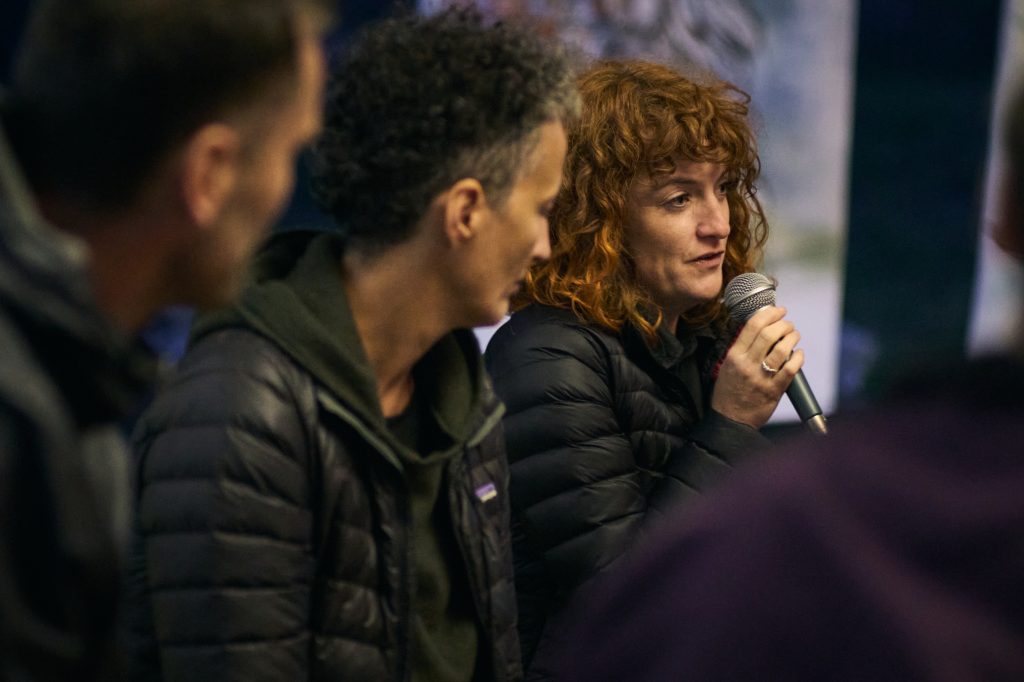
Fossil Free Culture NL was invited to take part in two panel discussions, both rich and deeply connected to our practice:
Campaign Strategies for the New World
Moderated by Besjana Guri from EcoAlbania, this conversation brought together:
- Frida from Fossil Free Culture NL
- Ulrich Eichelmann from Blue Heart Rivers
- Pascal Rosler from Pure Water for Generations e.V.
- Jon Kaldal from the Icelandic Wildlife Fund
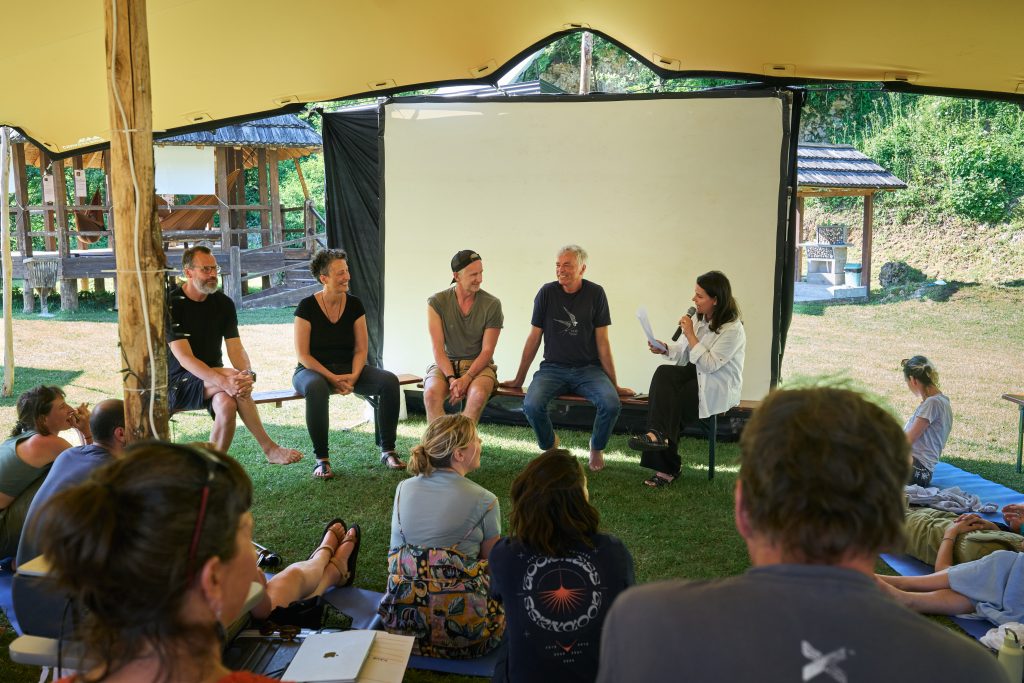
Together, we reflected on how campaigns are changing in a world marked by disinformation, extractivism, burnout, and deep ecological grief. We discussed how local campaigns build power through care, endurance, and imagination, and how victories often depend on forming unlikely alliances between communities, artists, and activists.
The Role of Art Activism in Difficult Times
Moderated by Kasja Jerlagic from Fondacija ACT, this panel explored art’s role in sustaining social movements under pressure, especially in politically tense or repressive contexts.
Frida joined Vanja Lazić and Irfan Hošić from KRAC Centar in a conversation about what art can do when words, policies, or institutions fail to act — and how aesthetic disobedience can nurture resilience as much as critique.
Lessons and Resonances
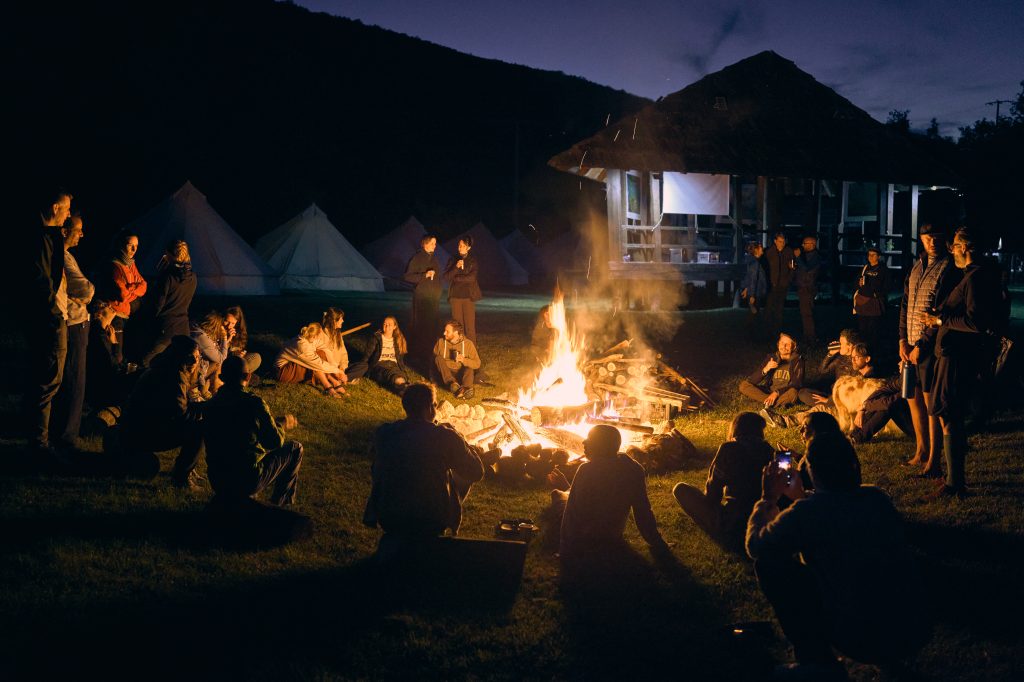
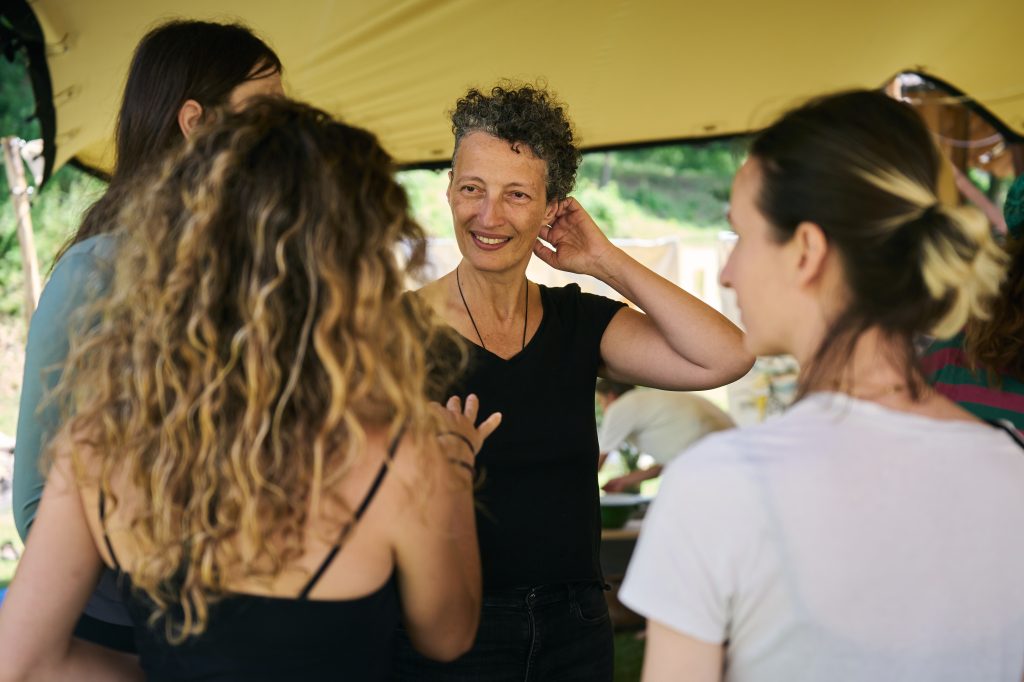
Across the sessions and informal conversations, in the dining hall, beside the river, late at night by campfire, a few recurring questions emerged:
- How do we balance anger and tenderness in movement work?
- What does strategy look like when uncertainty is the norm?
- How can art make activism more porous, accessible, and emotionally sustaining — not only more visible?
- And what does solidarity across difference require, beyond shared slogans?
There was no single answer. But each dialogue re-affirmed a belief we hold close at .d.a.s.: that methods of resistance are also methods of learning, and that learning must be collective, situated, and disobedient to the logics of extraction and control.
Reflections for .d.a.s.
For us, this experience felt like a cross-pollination between activist pedagogy and artistic research — precisely the space where .d.a.s. lives.
We arrived as contributors but left as students, moved by the clarity and humility of other grassroots organisers who work daily, often invisibly, to defend land, water, and life.
We were reminded that movement work is not a sprint but a long choreography: one that requires rehearsal, care, and the constant redistribution of energy and attention.
As we return to our collective work with the Disobedient Art School, these encounters inform how we continue to imagine the relationship between art, strategy, and community care. They remind us that political imagination is not a luxury, it’s a resource, one that must be tended like a commons.
Date & Time: 3 – 6 June 2025
Location: Martin Brod, Bosnia & Herzegovina
Photo by Jan Pirnat